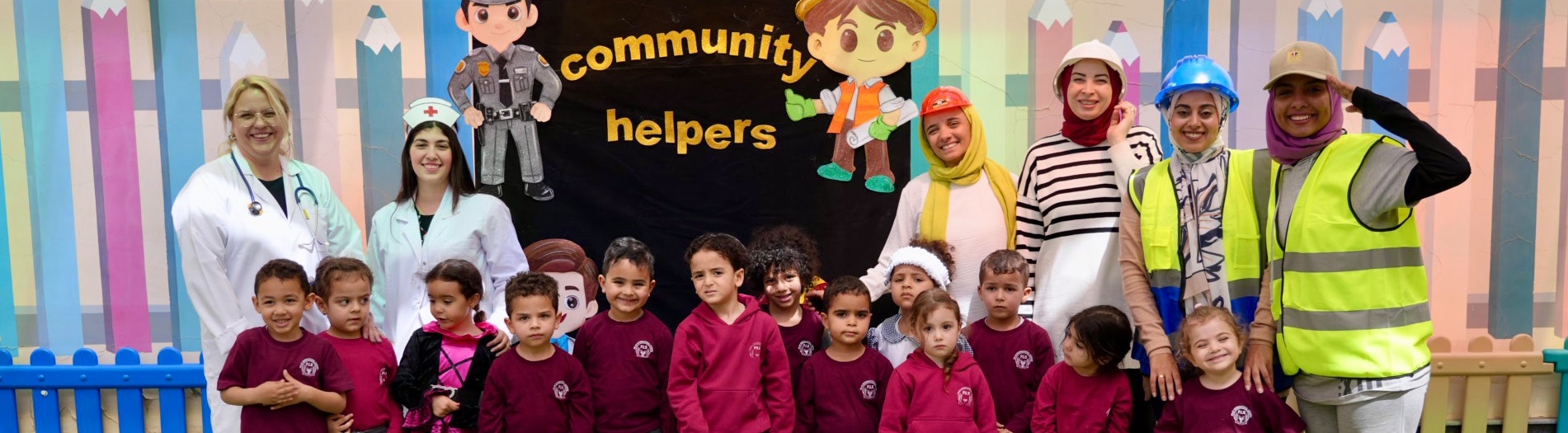

Blended Learning Models in International school maadi has become an integral part of modern education, offering a flexible and innovative approach to teaching and learning, this model combines the best of traditional classroom instruction with the advantages of digital tools and online resources, By integrating technology with face-to-face teaching, blended learning models create personalized learning experiences that cater to diverse student needs, promote critical thinking, and encourage self-paced study.
Blended Learning Models in International school maadi
Blended Learning Models in International school maadi combine traditional face-to-face instruction with online learning activities to create a flexible and effective educational experience, here are the key blended learning models widely used today:
- Students rotate between different learning modalities on a fixed schedule or at the teacher’s discretion, Modalities include online learning, small-group instruction, and collaborative activities.
- Students move between physical stations in the classroom Students rotate to a computer lab for online learning, and engage in online learning (e.g., watching videos) outside of class and use classroom time for active problem-solving or discussions.
- Students follow a personalized schedule, rotating only through selected modalities.
- The majority of the curriculum is delivered online, but teachers provide in-person support and guidance as needed, Students have more control over the pace of their learning.
- Students take some courses entirely online, alongside traditional in-person classes, this is common in high schools and universities, allowing students to customize their learning pathways.
- Students complete most of their coursework online and attend face-to-face sessions periodically, Unlike the Flipped Classroom model, these face-to-face meetings are not as frequent.
- Students engage in long-term, interdisciplinary projects where online research and digital collaboration complement hands-on, in-person activities.
- Students set their own goals and timelines, often using online platforms to learn independently, while educators act as mentors and facilitators.
- The learning experience is tailored to individual students’ needs, preferences, and goals, often leveraging adaptive learning technologies.
Technological Integration in Classrooms at PIS
Technology integration in classrooms has become a cornerstone of modern education, enhancing teaching methodologies and enriching student learning experiences, At PIS a concerted effort has been made to incorporate various technological tools to support both educators and students:
- Teachers reported on the specific technologies they utilize, such as computers, interactive whiteboards, laptops, tablets, and digital cameras, and the frequency of their use in instructional settings.
- The survey gauged educators' beliefs about the importance of integrating technology into curricula, their familiarity with available resources, and their confidence in supporting students' technological needs.
- Teachers identified areas where they require additional support, including time to develop tech-based lessons, administrative backing, technical assistance, and access to advanced tools.
- Interactive Whiteboards These devices have replaced traditional whiteboards, allowing for dynamic presentations and interactive lessons that cater to diverse learning styles.
- Providing students with personal devices facilitates individualized learning, access to digital resources, and the development of essential technological skills.
- Assistive Technology Tools Inclusion of digital timers, recorders, and graphic organizers supports students with special needs, promoting an inclusive learning environment.
- To effectively integrate technology, PIS emphasizes the importance of Professional Learning Communities, these collaborative groups enable educators to share best practices, receive training, and support each other in the adoption of new technologies.
- Teachers express the need for more time to develop and implement technology-based lessons effectively.
- There is a demand for increased technical assistance to ensure the smooth operation of technological tools.
- Ensuring equitable access to up-to-date technology for all students remains a priority.
Future Plans for Blended Learning Expansion
Here’s an outline for discussing future plans to expand Blended Learning Models in International school maadi:
- Ensure all students have access to necessary devices and stable internet connections.
- Invest in robust platforms that support interactive content, real-time collaboration, and personalized learning pathways.
- Incorporate AI tools, AR/VR, and adaptive learning technologies to create immersive and tailored learning experiences.
- Integrate blended learning into all subject areas, from STEM to arts and humanities.
- Develop courses that focus on 21st-century skills like critical thinking, collaboration, and digital literacy.
- Offer short, focused courses that provide certifications in specific skills or topics.
- Provide comprehensive training for teachers on blended learning methodologies, tools, and best practices.
- Pair educators experienced in blended learning with those new to the approach.
- Establish forums for educators to share experiences, challenges, and successes.
- Use analytics to tailor instruction to individual student needs and preferences.
- Allow students to progress at their own pace through modular course designs.
- Implement systems for continuous feedback to guide learning adjustments.
- Ensure that materials are accessible to students with diverse needs, including those with disabilities.
- Develop content that reflects diverse backgrounds and experiences.
- Offer multilingual content to cater to non-native speakers.
- Involve parents and community members in planning and feedback for blended learning initiatives.
- Provide training for parents to support their children in blended learning environments.
- Encourage partnerships with local organizations and industries to enrich the learning experience.
- Launch small-scale pilots to test new tools and approaches before wider implementation.
- Use student, teacher, and parent feedback to refine programs.
- Develop strategies to scale successful initiatives to larger populations.
- Secure funding from educational grants, private donors, and public-private partnerships.
- Focus on affordable and scalable technologies.
- Establish a roadmap for phased growth, ensuring resources align with expansion goals.
- Monitor the latest developments in blended learning methodologies and tools.
- Encourage schools to conduct their own studies to refine practices.
- Partner with universities for research and development in educational technology.
- Educate stakeholders about the benefits of blended learning through campaigns and success stories.
- Celebrate schools, educators, and students who excel in blended learning initiatives.
- Foster a culture of innovation and adaptability within the school community.
Evaluation and Continuous Improvement at PIS
Here’s a structured approach to Evaluation and Continuous Improvement at Blended Learning Models in International school maadi:
- Define measurable learning outcomes for students in each grade and subject.
- Set objectives for extracurricular achievements, character building, and life skills.
- Include goals for community, parent, and staff involvement in school activities.
- Regularly assess students using a combination of formative (quizzes, projects) and summative evaluations (exams, standardized tests).
- Evaluate teaching effectiveness through classroom observations, student feedback, and peer reviews.
- Monitor school performance through graduation rates, college placements, and extracurricular participation.
- Conduct regular surveys and focus groups to understand students' learning experiences.
- Involve parents through surveys, parent-teacher conferences, and open forums.
- Facilitate workshops and discussions to gather insights from educators.
- Offer regular training sessions for teachers to improve their skills and adapt to new methodologies.
- Revise the curriculum periodically to keep it relevant and aligned with global standards.
- Introduce new educational tools and platforms based on feedback and emerging trends.
- Publish an annual performance report highlighting successes, challenges, and future plans.
- Use KPIs like attendance rates, student achievement scores, and teacher satisfaction to track progress.
- Develop digital dashboards for administrators to access real-time data on school performance.
- Implement programs for students needing additional support, such as tutoring or counseling.
- Highlight successful practices across departments and encourage replication where appropriate.
- Modify school policies to address recurring issues or improve efficiency.
- Compare PIS performance with similar institutions to identify areas of improvement.
- Establish committees with educators, parents, and industry experts to guide improvement initiatives.
- Engage in local and global partnerships to enhance learning opportunities.
- Encourage innovation in teaching methodologies, classroom management, and school operations.
- Support student projects that address real-world problems or introduce creative solutions.
- Test new approaches on a small scale before implementing them across the school.
- Celebrate achievements of students, teachers, and staff through awards and public acknowledgment.
- Share success stories with the community through newsletters, social media, and events.
- Use achievements to boost morale and inspire further improvement.
- Ensure that evaluation and improvement processes are supported by adequate resources.
- Establish regular cycles for reviewing and updating evaluation strategies.
- Stay proactive about trends and challenges to maintain relevance in a changing educational landscape.
Blended Learning Models in International school maadi has emerged as a transformative approach in education, particularly at institutions like International School Maadi, where diverse student needs and global standards converge, by seamlessly integrating traditional teaching methods with innovative digital tools, the school is paving the way for a more personalized, engaging, and effective learning experience.